Quick Answer: Citizen development enables non-technical employees to create business applications using low-code and no-code platforms without extensive coding knowledge. It empowers business users like analysts, managers, and department heads to build solutions that address their specific operational needs, accelerating development, reducing costs, and fostering innovation while IT teams focus on complex, mission-critical systems.
Software development has long been the exclusive domain of professional programmers and IT departments. However, organizations now face a significant challenge: the demand for digital solutions far exceeds the supply of trained developers. This gap has given rise to citizen development, an approach that empowers non-technical employees to create business applications without extensive coding knowledge.
Citizen development represents a fundamental shift in how companies build software, enabling business users to solve problems directly rather than waiting months for IT resources. Through low-code and no-code platforms, employees across departments can now design workflows, automate processes, and build applications that address their specific operational needs.
This democratization of software creation helps organizations respond faster to market changes, reduce development backlogs, and foster innovation from within their existing workforce.
Understanding Citizen Development
Citizen development refers to the practice of enabling employees outside traditional IT departments to create business applications using visual development platforms. These citizen developers are typically business analysts, operations managers, marketing professionals, or department heads who understand their domain challenges intimately but lack formal programming training.
The concept emerged as organizations recognized that people closest to business problems often have the clearest vision for solutions.
Low-Code vs. No-Code Platforms
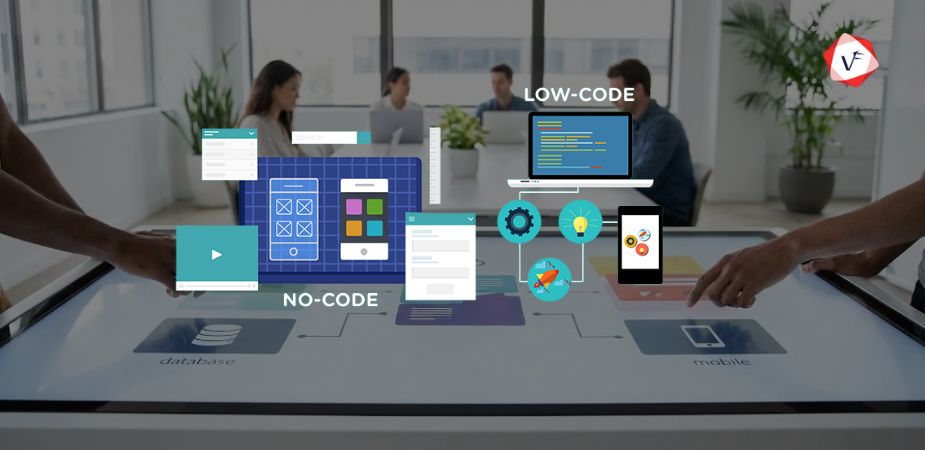
Low-code and no-code platforms serve as the foundation for citizen development. These platforms provide intuitive interfaces where users can drag and drop components, configure business logic through visual workflows, and connect different systems without writing complex code.
- No-code platforms: Require virtually zero programming knowledge, using entirely visual interfaces
- Low-code platforms: May involve some scripting for advanced customization
- Both approaches: Significantly reduce the technical barrier to application development
Addressing the IT Backlog Challenge
The rise of citizen development addresses a critical business challenge. Studies consistently show that IT departments face overwhelming backlogs, with some organizations reporting wait times exceeding six months for new application requests. Meanwhile, business units need solutions quickly to maintain competitiveness and operational efficiency.
Citizen development bridges this gap by enabling business users to build solutions independently while IT teams focus on complex, mission-critical systems.
The Technology Behind Citizen Development
Citizen development platforms incorporate several sophisticated technologies that make application creation accessible to non-programmers.
Visual Modeling Tools
Visual modeling tools allow users to design database schemas, user interfaces, and business processes through graphical representations rather than code. These platforms often include pre-built templates for common business scenarios, from expense approval workflows to customer feedback forms, giving citizen developers a starting point for their projects.
Integration Capabilities
Integration capabilities form another crucial component of citizen development platforms. Business applications rarely operate in isolation—they need to connect with existing enterprise systems, databases, and cloud services.
Modern citizen development tools provide:
- Pre-configured connectors for popular business software
- Integration with CRM systems, ERP platforms, and email services
- Data warehouse connections
- API connectivity without understanding complex architecture
AI-Enhanced Features
Artificial intelligence increasingly enhances citizen development platforms. Some tools now offer natural language processing that translates business requirements written in plain English into functional application components. Machine learning algorithms can suggest optimal workflows based on the application's purpose, while automated testing features help citizen developers identify potential issues before deployment.
Benefits for Organizations
Organizations that implement citizen development programs experience multiple advantages.
Accelerated Development Speed
Application development speed increases dramatically—tasks that might take professional developers weeks or months can often be completed by citizen developers in days. This acceleration allows businesses to respond rapidly to market opportunities, regulatory changes, or operational challenges.
Cost Efficiency
Cost efficiency represents another significant benefit. While professional developers remain valuable for complex systems, citizen development reduces the financial burden of building every internal tool through expensive development resources. Organizations can allocate IT budgets more strategically, investing in core infrastructure while empowering business units to address their specific needs independently.
Improved Application Quality
Citizen development also improves the quality and relevance of business applications. When end users build their own tools, the resulting applications typically align more closely with actual workflows and requirements. Citizen developers understand the nuances of their departments' challenges, leading to more practical solutions with higher adoption rates. This direct involvement eliminates much of the miscommunication that occurs when requirements pass through multiple layers of project managers and developers.
Enhanced Innovation
Innovation flourishes under citizen development models. Employees who previously had ideas for process improvements but lacked technical skills can now prototype and test their concepts. This democratization of creation encourages experimentation and allows organizations to discover valuable solutions that might never have emerged through traditional development channels.
Governance & Risk Management
While citizen development offers substantial benefits, organizations must implement proper governance frameworks to mitigate risks. Without oversight, citizen-created applications can introduce security vulnerabilities, create data silos, or violate compliance requirements. Successful citizen development programs balance user empowerment with appropriate controls.
Centers of Excellence
IT departments typically establish citizen development centers of excellence that provide guidelines, training, and support for business users building applications. These centers define standards for data handling, security protocols, and integration practices. They also maintain catalogs of approved platforms and components that citizen developers can use safely.
Security Considerations
Security considerations remain paramount in citizen development initiatives. Platforms should enforce:
- Role-based access controls
- Data encryption at rest and in transit
- Audit trails for all application activities
- Approval workflows before accessing sensitive data
- Review processes before production deployment
Data Governance
Data governance becomes particularly important as citizen developers create applications that collect, process, and store business information. Organizations need clear policies about data ownership, retention, and privacy compliance. Citizen developers must understand regulations like GDPR or HIPAA when building applications that handle personal or protected information.
Training & Enablement
Successful citizen development programs require structured training and ongoing support. Organizations cannot simply provide platforms and expect employees to build quality applications without guidance. Comprehensive enablement programs cover platform basics, application design principles, and best practices for testing and deployment.
Foundational Training
Training typically begins with foundational concepts about how applications work, basic database principles, and logical thinking for workflow design. Citizen developers learn to break down business processes into steps that can be automated or systemized. Many organizations offer tiered certification programs, starting with basic application creation and progressing to more sophisticated development techniques.
Mentorship Programs
Mentorship accelerates citizen developer success. Pairing business users with experienced IT professionals or advanced citizen developers provides valuable guidance during the learning process. These mentors help troubleshoot technical issues, suggest architectural improvements, and ensure applications align with organizational standards.
Communities of Practice
Communities of practice foster knowledge sharing among citizen developers across different departments. These forums allow users to:
- Showcase their creations
- Discuss challenges and solutions
- Learn from peers' experiences
- Share best practices and templates
Organizations that cultivate active citizen developer communities see higher engagement and more sophisticated application portfolios over time.
Common Use Cases
Citizen development proves particularly valuable for specific types of business applications.
Workflow Automation
Workflow automation represents one of the most common use cases. Employees build applications that automate approval processes, route documents between departments, or trigger notifications based on specific conditions. These automations eliminate manual handoffs and reduce processing times for routine tasks.
Data Collection and Reporting
Data collection and reporting applications allow citizen developers to create custom forms, surveys, and dashboards tailored to their department's needs. Rather than relying on generic tools or spreadsheet macros, business users can build purpose-specific applications that enforce data quality rules and generate real-time insights.
Departmental Tools
Departmental tools address unique operational requirements that wouldn't justify full-scale IT development projects. Marketing teams might build campaign tracking applications, while HR departments create employee onboarding portals. These targeted solutions improve efficiency without consuming enterprise development resources.
Additional Applications
- Mobile applications: For field workers and remote teams
- Customer portals: Self-service solutions for clients
- Integration applications: Connecting disparate systems
- Process monitoring: Real-time tracking and alerts
As platforms become more sophisticated, the range of possible applications continues to expand.
The Future of Citizen Development
Citizen development continues gaining momentum as platforms become more powerful and organizations recognize its value. Analysts predict substantial growth in citizen developer populations, with some estimates suggesting they will outnumber professional developers in coming years. This growth reflects both platform maturation and cultural shifts toward distributed decision-making and agile problem-solving.
AI-Powered Development
Artificial intelligence will further enhance citizen development capabilities. Future platforms may understand context and requirements well enough to generate complete applications from conversations, requiring citizen developers only to validate and refine the results. Machine learning could automatically optimize applications for performance and suggest enhancements based on usage patterns.
Convergence with Professional Development
The line between citizen development and professional development may blur as platforms evolve. Advanced citizen developers using sophisticated low-code tools might produce applications comparable to traditionally coded solutions. This convergence could reshape software development careers, with professional developers focusing increasingly on platform creation, complex integrations, and governance rather than building every application from scratch.
Final Thoughts
Citizen development transforms how organizations create business applications by enabling non-technical employees to build solutions addressing their specific operational needs. Through low-code and no-code platforms, businesses accelerate application delivery, reduce costs, and foster innovation throughout their workforce.
Key Takeaways:
- Citizen development empowers non-technical employees to build applications
- Low-code and no-code platforms reduce technical barriers
- Development speed increases dramatically (weeks to days)
- Proper governance and training are essential for success
- Common use cases include workflow automation, reporting, and departmental tools
- AI will continue enhancing citizen development capabilities
While proper governance and training remain essential for success, citizen development helps companies close the gap between technology demand and available IT resources.
For organizations seeking professional expertise alongside citizen development initiatives,Vofox Solutions' offshore software development services offer comprehensive support for building scalable, enterprise-grade applications that complement internal development efforts. Contact us to see how it's done.