- September 02, 2025 6:03 pm
- by Kevin
- September 02, 2025 6:03 pm
- by Kevin
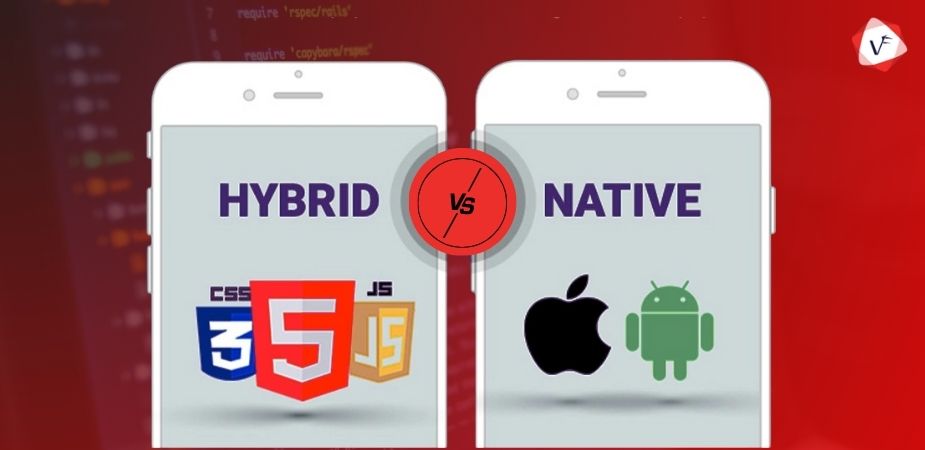
Native app development means creating mobile applications specifically for one operating system - either Android or iOS. These apps are built using platform-specific programming languages and development tools.
For Android:
For iOS:
Hybrid app development allows you to create one app that works on both Android and iOS using a single codebase. Developers use web technologies (HTML, CSS, JavaScript) wrapped in a native container.
| Factor | Native Apps | Hybrid Apps |
|---|---|---|
| Development Time | Longer (2 separate apps) | Shorter (1 codebase) |
| Cost | Higher ($50,000-$200,000+) | Lower ($20,000-$80,000) |
| Performance | Excellent | Good to Very Good |
| User Experience | Platform-specific, intuitive | Consistent across platforms |
| Device Access | Full access | Limited access |
| Maintenance | More complex | Simpler |
| App Store Approval | Easier | May face restrictions |
Expert Tip: Choose native if your app requires heavy graphics processing, real-time features, or complex animations. Choose hybrid for content-driven apps, simple games, or business applications.
While native apps cost more upfront, they often provide better user retention and engagement, potentially leading to higher long-term revenue.
Choose native app development when:
Choose hybrid app development when:
If you're an app development company, optimize your website for these high-traffic keywords:
Some of the biggest companies in the world use both native and hybrid approaches, depending on the needs of the app.
For instance, Instagram uses a mix of native and hybrid elements. Parts of the app are written in React Native to speed up development while still maintaining performance.
Uber uses hybrid technologies in its driver app to allow faster updates and cross-platform support.
Twitter has also experimented with hybrid frameworks to manage different parts of its platform.
These examples show that even large-scale apps can benefit from hybrid solutions when used strategically.
The mobile app development landscape is constantly evolving. Here are key trends for 2025:
Native vs hybrid app development isn't a one-size-fits-all decision. The right choice depends on your specific needs, budget, and goals.
Choose Native If: You prioritize performance, user experience, and have the budget for platform-specific development.
Choose Hybrid If: You need to launch quickly, have budget constraints, or want easier maintenance.
Many successful companies start with hybrid apps to validate their idea, then migrate to native as they grow and require more performance or platform-specific features.
Hybrid app development is typically 40-60% cheaper than native development because you only build one app instead of two.
Yes, modern hybrid frameworks like Flutter and React Native can access most device features, though sometimes with limitations compared to native apps.
Hybrid development is often better for startups due to lower costs, faster development, and the ability to test ideas on both platforms simultaneously.
While hybrid apps have improved significantly, native apps still generally offer better performance, especially for graphics-intensive or complex applications.
Yes, many companies start with hybrid apps and migrate to native as they grow. However, this requires rebuilding the app from scratch.
Need help deciding between native vs hybrid app development for your project? Contact our expert development team for a free consultation and personalized recommendation based on your specific requirements.
Guaranteed Response within One Business Day!

Why the PHP2Shell Alert Makes Choosing the Right PHP Development Company More Important Than Ever
How AI-Powered UX Design Improves User Experience
When to Choose Node.js and When to Choose PHP for Your Project
How to Choose the Best Flutter App Development Company for Your Business
Key Benefits of Hiring a Flutter App Development Company in India

Guaranteed Response within One Business Day!